
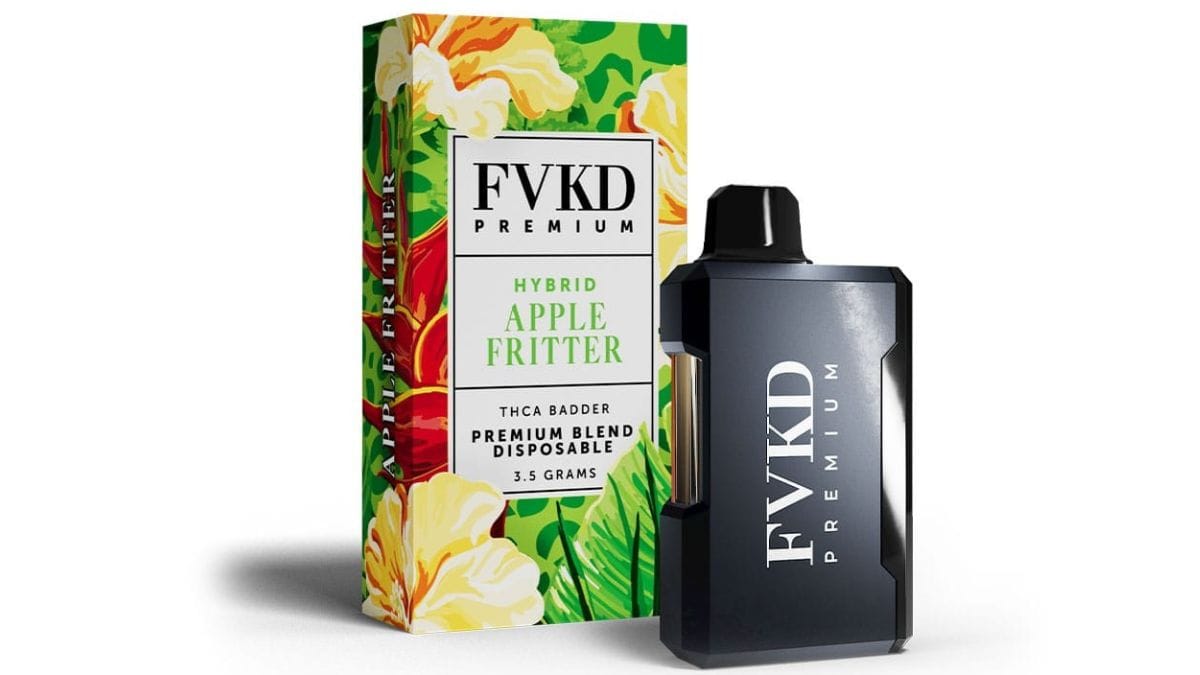
Vapes are built for convenience and portability, but they are still electronic devices that react to their environment. Extreme weather, whether hot summer days or cold winter conditions, can significantly impact how a vape performs, how long it lasts, and how safe it is to use. Many users experience leaking oil, weak vapor, burnt hits, or battery issues without realizing that temperature changes are the real cause.
Hot and cold weather can impact premium blends by affecting oil density, battery efficiency, and overall performance. Understanding these effects and adjusting how you store, use, and charge your vape can help you avoid unnecessary damage and enjoy a smoother, more consistent experience.
Let’s explore how temperature impacts vaping and the best practices to follow in both hot and cold conditions.
How Temperature Affects Vape Performance
Vapes rely on a balance between three key factors: battery output, oil consistency, and airflow. Temperature extremes disrupt this balance.
- Heat makes vape oil thinner, increases leakage risk, and strains batteries
- Cold thickens oil in live rosin vapes, reduces battery efficiency, and can cause weak or inconsistent hits.
Both extremes can shorten the lifespan of your vape if not handled properly.
Best Practices for Handling Vapes in Hot Weather
1. Avoid Leaving Vapes in Hot Environments
High temperatures—especially inside parked cars—can quickly damage vape batteries and thin the oil inside the device.
What to Do
- Never leave your vape in a car, even for short periods
- Keep it away from direct sunlight, windows, or hot surfaces
- Store your vape in a shaded, well-ventilated area when outdoors
Excessive heat can permanently damage battery cells and increase the risk of leakage.
2. Watch for Oil Leakage
When exposed to heat, vape oil becomes thinner and may seep into the airflow chamber or mouthpiece.
How to Prevent Leaks
- Always store your vape upright
- Avoid overusing the device during hot weather
- Clean the mouthpiece and airflow openings regularly
If you notice frequent leaks, stop using the device until it cools down.
3. Avoid Chain Vaping in High Temperatures
Repeated puffs without breaks cause both the coil and battery to overheat, especially in warm conditions.
Best Practice
- Take shorter sessions
- Allow 5–10 seconds between puffs
- Stop vaping if the device feels warm to the touch
This helps prevent burnt hits and internal damage.
4. Charge Carefully in Hot Weather
Charging a vape while it’s already warm increases battery stress and safety risks.
Safe Charging Tips
- Charge indoors at room temperature
- Let the device cool before plugging it in
- Unplug once fully charged
Avoid charging your vape in cars or outdoor settings during hot weather.
Best Practices for Handling Vapes in Cold Weather
5. Warm the Device Before Use
Cold temperatures thicken vape oil, making it harder to vaporise evenly.
Helpful Tips
- Hold the device in your hand for a minute before use
- Keep it in an inner jacket pocket close to your body heat
- Avoid vaping immediately after exposure to cold air
This allows the oil to flow properly and prevents dry or weak hits.
6. Expect Reduced Battery Performance
Batteries discharge faster and produce less power in cold conditions.
How to Manage Battery Issues
- Fully charge your vape before going outdoors
- Keep spare devices or chargers available
- Avoid storing vapes in cold garages or vehicles overnight
Cold-related battery issues are usually temporary but can become permanent with repeated exposure.
7. Adjust Your Inhale Technique
Thickened oil requires more time to heat evenly.
Correct Technique
- Take slow, steady inhales
- Avoid forceful or long draws
- Pause between puffs to allow proper heating
This improves vapour consistency and protects the coil.
All-Weather Vape Storage Best Practices
Proper storage protects your vape in both hot and cold conditions.
General Storage Tips:
- Store in a cool, dry place
- Keep away from moisture and humidity
- Use protective cases when travelling
- Always store devices upright
Good storage habits can significantly extend device lifespan.
Common Weather-Related Vape Problems & Solutions
| Problem | Likely Cause | Solution |
| Oil leakage | Excessive heat | Store upright and cool |
| Weak vapour | Cold oil or battery | Warm device before use |
| Burnt taste | Overheating | Reduce usage and cool down |
| Battery drains fast | Cold exposure | Keep battery warm |
| Device feels hot | Heat or overuse | Stop using and allow cooling |
Why Temperature Awareness Improves Vape Safety
Extreme temperatures don’t just affect performance—they also impact safety. Overheated batteries may swell, malfunction, or lose capacity permanently. Cold-stressed batteries may deliver inconsistent power, leading to uneven heating and poor vapour quality.
Being aware of environmental conditions and adapting your vaping habits accordingly reduces the risk of device failure and ensures a more reliable experience.
Final Thoughts
Hot and cold weather can have a significant impact on how your vape performs and how long it lasts. Heat can thin oil, cause leaks, and strain batteries, while cold can weaken vapour output and reduce battery efficiency. By adjusting how you store, charge, and use your vape based on temperature, you can protect your device and enjoy a smoother, safer, and more consistent vaping experience throughout the year. For a premium vaping experience, explore our FVKD Exotics Vape collection and find high-quality, reliable options perfect for any season.