
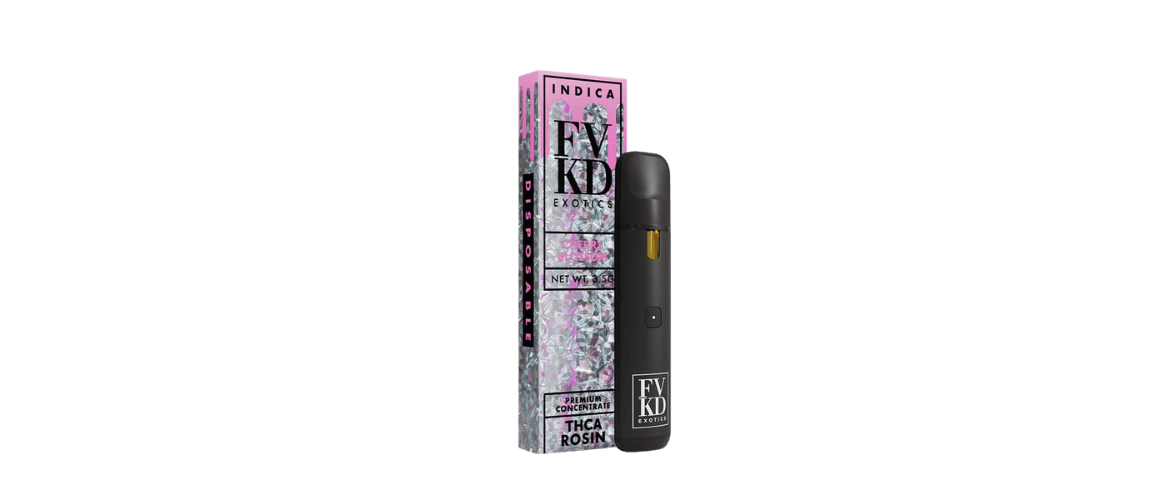
As hemp-derived products continue to evolve, consumers are encountering a growing range of cannabinoids, each offering unique characteristics and experiences. Among the most discussed options today are THC-A and Delta-8.
At first glance, they may seem similar. Both originate from hemp, both are commonly found in modern hemp products, and both have become increasingly popular among consumers looking to explore alternatives to traditional cannabinoid products.
However, the reality is that THC-A and Delta-8 are fundamentally different compounds. They differ in their chemical structure, how they interact with the body, how they are consumed, and the experiences they may offer.
Let’s take a closer look at the key differences between THCA and Delta-8 in a straightforward way, helping you understand what sets them apart and why those differences matter.
Understanding THC-A
THC-A stands for tetrahydrocannabinolic acid. It is the naturally occurring precursor to THC found in raw hemp and cannabis plants. In its original form, THC-A remains chemically different from THC because it contains an additional carboxylic acid group.
Key Characteristics of THC-A
- Found naturally in raw hemp flower
- Exists before heating occurs
- Commonly used in hemp-derived products
- Popular in flower, pre-rolls, concentrates, and vape formats
Many consumers exploring modern hemp products often encounter THC-A in premium categories such as FVKD THCA collections and other concentrate-based products.
Understanding Delta-8
Delta-8 THC is a cannabinoid derived from hemp. Although it shares similarities with Delta-9 THC, its molecular structure differs slightly, creating a distinct profile.
Key Characteristics of Delta-8
- Hemp-derived cannabinoid
- Found in various infused products
- Available in disposable devices, gummies, and concentrates
- Popular among consumers seeking alternative cannabinoid experiences
Today, Delta-8 is commonly featured in disposable devices, edibles, and concentrate-based formats.
THC-A vs Delta-8: Quick Comparison
| Feature | THC-A | Delta-8 |
| Natural Form | Raw cannabinoid acid | Processed cannabinoid |
| Found In | Flower, concentrates, prerolls | Vapes, gummies, concentrates |
| Common Consumption Formats | Flower, Prerolls, Concentrates, Vapes | Disposables, Concentrates |
| Hemp-Derived | Yes | Yes |
| Common Product Types | Flower, vape products | Edibles, disposables, concentrates |
How are THCA and Delta-8 Produced?
THC-A Production
THC-A occurs naturally in hemp plants. Growers cultivate specific hemp varieties that contain elevated levels of THC-A before harvest and processing.
Common THC-A Formats
- Hemp flower
- Concentrates
- Prerolls
- Vape products
Consumers interested in concentrate-focused products often explore options similar to FVKD live rosin collections where cannabinoid preservation is a key focus.
Delta-8 Production
Delta-8 is generally produced through a conversion process using hemp-derived cannabinoids. After extraction, manufacturers refine and formulate Delta-8 into various consumer products.
Common Delta-8 Formats
- Disposable vapes
- Gummies
- Concentrates
- Infused prerolls
Key Differences Between THC-A and Delta-8
1. Chemical Structure
The biggest distinction lies in the cannabinoid itself. THC-A is an acidic precursor cannabinoid found naturally in raw plant material. Delta-8 is a separate cannabinoid with a different molecular structure. The difference in structure influences how each cannabinoid is processed and incorporated into products.
2. Product Availability
THC-A is often associated with:
- Flower
- Concentrates
- Prerolls
- Vape formats
Delta-8 is more commonly found in:
- Gummies
- Disposable devices
- Infused concentrates
Your preferred consumption method may naturally lead you toward one cannabinoid category over the other.
3. Manufacturing Process
THC-A is naturally present in hemp. Delta-8 typically requires additional processing after extraction. Understanding how products are made helps consumers make more informed purchasing decisions.
4. Consumer Preferences
Some consumers gravitate toward traditional flower and concentrate formats. Others prefer ready-to-use options like disposables and gummies. The best choice often comes down to personal preference, convenience, and intended use.
THC-A vs Delta-8 Product Types
| Product Type | THC-A | Delta-8 |
| Flower | ✓ | Limited |
| Prerolls | ✓ | ✓ |
| Disposable Vapes | ✓ | ✓ |
| Concentrates | ✓ | ✓ |
Common Misconceptions About THC-A and Delta-8
1. “They Are Exactly the Same”: This is one of the most common misconceptions.
Reality: They are completely different cannabinoids with different structures and production methods.
2. “They Only Come in Vape Form”: Many people assume cannabinoids are only available in vape products.
Reality:
Both THC-A and Delta-8 can be found in:
- Flower
- Prerolls
- Gummies
- Concentrates
- Disposable devices
3. “One Is Automatically Better Than the Other”: There is no single answer.
Reality: The better option depends entirely on individual preferences and desired product formats.
Factors to Consider Before Purchasing
- Product Quality:Always choose products from reputable manufacturers. Quality control, testing standards, and ingredient transparency all influence product consistency.
- Product Type:Think about how you prefer to consume hemp products. The ideal cannabinoid often depends more on the delivery method than the cannabinoid category alone.
- Brand Reputation:Trusted manufacturers generally provide better consistency and product information. A reputable FVKD brand or similar established manufacturer typically invests more heavily in quality assurance and product development.
Final Thoughts
While THC-A and Delta-8 are often discussed together, they are distinct cannabinoids with unique characteristics, manufacturing processes, and product applications.
THC-A is naturally present in hemp and commonly associated with flower, concentrates, and advanced vape products. Delta-8, meanwhile, is frequently found in gummies, disposables, and other infused formats. Understanding these differences can help consumers navigate the growing hemp market more confidently and choose products that align with their preferences.