
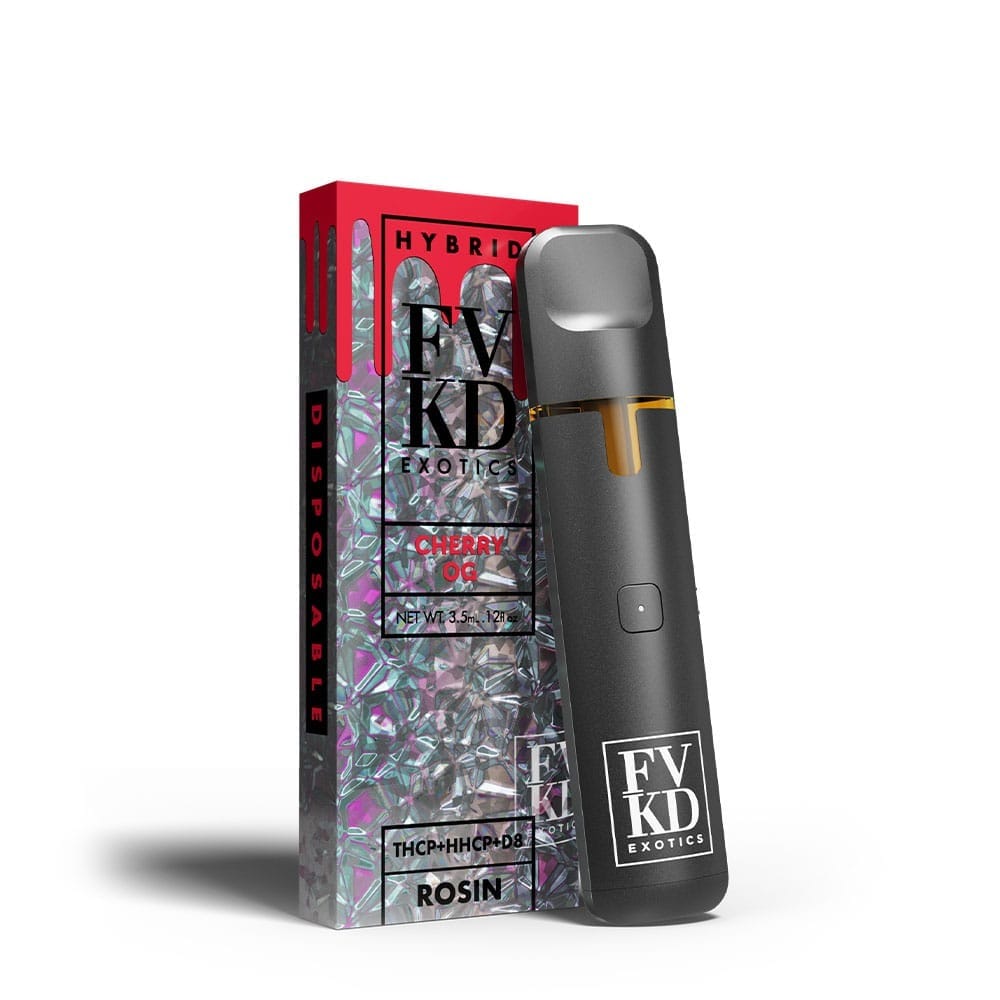
Disposable devices have rapidly evolved over the past few years. What began as simple, single-use disposable devices has transformed into sophisticated hardware systems designed for improved efficiency, reliability, and user experience.
Innovation is playing a central role in shaping the future of disposable devices. Advances in heating technology, airflow engineering, battery design, and extract compatibility are allowing modern devices to perform more consistently while delivering smoother vapor.
As consumer expectations grow and extract formulations become more advanced, manufacturers are focusing on smarter engineering and better materials to improve disposable device performance.
The Evolution of Disposable Devices
Early disposable devices were designed primarily for convenience. They offered a simple alternative to refillable systems but often faced limitations such as:
- inconsistent heating
- limited battery life
- restricted airflow
- clogging issues
As technology improved, disposable devices began incorporating better hardware components and more refined engineering. Today, modern devices are capable of delivering stable vapor production across a wide range of extract types.
Many platforms, including collections such as fvkd exotics disposable vape products, reflect this shift toward better hardware design and performance-focused innovation.
Advanced Heating Technology
One of the most important innovations in disposable devices is improved heating technology.
Heating elements determine how efficiently the formulation inside the device is vaporized. Earlier devices sometimes produced uneven heat distribution, leading to burnt flavors or inconsistent vapor.
Modern devices now use refined coil systems and improved thermal management to ensure:
- stable heating temperatures
- consistent vapor output
- improved flavor preservation
- better extract utilization
These improvements not only enhance current performance but also enable future devices to support increasingly complex extract formulations.
Compatibility with Modern Extracts
Another major area of innovation is the ability of hardware to support newer concentrate formulations.
Extract types have become increasingly diverse, including:
- liquid diamonds
- live rosin
- diamond sauce
- sugar-based concentrates
Each of these formulations has unique viscosity and heating requirements. Hardware must be engineered carefully to ensure proper vaporization.
Device innovation now focuses on matching hardware performance with extracted characteristics.
Airflow Engineering Improvements
Airflow design has become a critical part of disposable device innovation.
In early devices, poorly balanced airflow systems could cause:
- restricted inhalation
- inconsistent vapor density
- clogging
Modern airflow engineering focuses on creating balanced pathways that allow vapor to travel smoothly from the heating chamber to the mouthpiece. Improved airflow systems also help maintain proper pressure inside the chamber, which reduces condensation buildup and improves overall device longevity.
Battery Efficiency and Power Regulation
Battery technology has also advanced significantly in disposable devices. Earlier devices sometimes suffered from uneven power delivery, which could cause heating fluctuations or reduced performance toward the end of the device’s lifespan. Newer devices now incorporate improved battery management systems that regulate voltage more consistently.
This ensures that the heating element receives stable power from the first draw to the last. Battery innovation also allows disposable devices to support larger exact capacities while maintaining consistent performance.
Compact Design with Integrated Systems
Modern disposable devices integrate multiple components into a compact structure. These components include:
- sealed extract chambers
- heating coils
- airflow channels
- battery systems
- mouthpiece designs
Advances in hardware engineering have allowed these systems to function together more efficiently within smaller devices.
Improved structural design helps reduce leakage, improve airflow balance, and enhance overall reliability.
Material Improvements and Durability
Another key area of innovation is material selection.
Manufacturers now focus on materials that provide:
- better heat resistance
- improved structural durability
- enhanced vapor purity
High-quality materials also reduce the risk of contamination or corrosion inside the device.
As disposable hardware becomes more sophisticated, material engineering will continue to play an important role in device reliability.
User-Centered Design
Innovation is not limited to internal hardware. Modern disposable devices are also being designed with user convenience in mind.
Many devices now feature:
- draw-activated systems
- simplified operation
- consistent airflow resistance
- ergonomic mouthpiece designs
These improvements help make disposable devices easier to use while maintaining consistent vapor delivery.
The Role of Research and Engineering
Behind every innovation in disposable device technology is extensive research and engineering.
Manufacturers conduct testing to evaluate:
- airflow balance
- heating consistency
- battery safety
- structural durability
Through continuous research and product development, companies can refine hardware design and improve device reliability.
Many modern device ecosystems showcased on platforms such as the fvkd website highlight how innovation continues to influence hardware development and extract compatibility.
Future Trends in Disposable Device Technology
Looking ahead, several trends are likely to shape the future of disposable devices.
These include:
- improved thermal control systems
- more efficient extract utilization
- better airflow optimization
- longer-lasting battery performance
- enhanced material sustainability
As extract formulations continue to evolve, hardware innovation will remain essential for maintaining performance and consistency.
Summing Up!
Disposable devices have come a long way from their early designs. Through advances in heating technology, airflow engineering, battery regulation, and material science, modern devices are capable of delivering more reliable and consistent vapor experiences.
Innovation continues to drive improvements in how disposable devices function, ensuring compatibility with new extract formulations while maintaining convenience and performance. As technology evolves, the future of disposable devices will likely focus on even greater efficiency, smarter engineering, and improved user experience—shaping the next generation of vapor hardware.