
Leaks are one of the most frustrating problems users experience with cannabis vape hardware. One moment, your device feels smooth and consistent, then suddenly, oil appears around the mouthpiece, airflow openings, or base.
While leakage can feel random, it almost always happens for specific mechanical reasons. With cannabis products, the issue is usually linked to oil viscosity, temperature changes, hardware seals, or storage habits.
The good news? Most leaks are preventable with the right care and handling. Let’s explore the most common reasons cannabis vape devices leak, and how to stop them.
What is a Vape Leak?
A vape leak occurs when cannabis oil escapes from the internal chamber instead of being properly vaporised. This may happen through:
- Airflow openings
- The mouthpiece
- The base connection
- Internal condensation buildup
Leaks are not always a manufacturing defect. In most cases, they result from environmental factors, worn seals, or improper storage.
Top 7 Causes of Cannabis Vape Leakage
1. Oil Consistency and Viscosity Imbalance
Cannabis concentration is naturally thick, but terpene-rich blends can become thinner depending on formulation and heat exposure.
Why does this cause leaks?
- Thinner oil moves faster through internal pathways
- Excess oil can migrate toward airflow openings
- Warm conditions reduce viscosity further
How to prevent it:
- Store devices upright
- Avoid heat exposure
- Use products designed with viscosity stability in mind
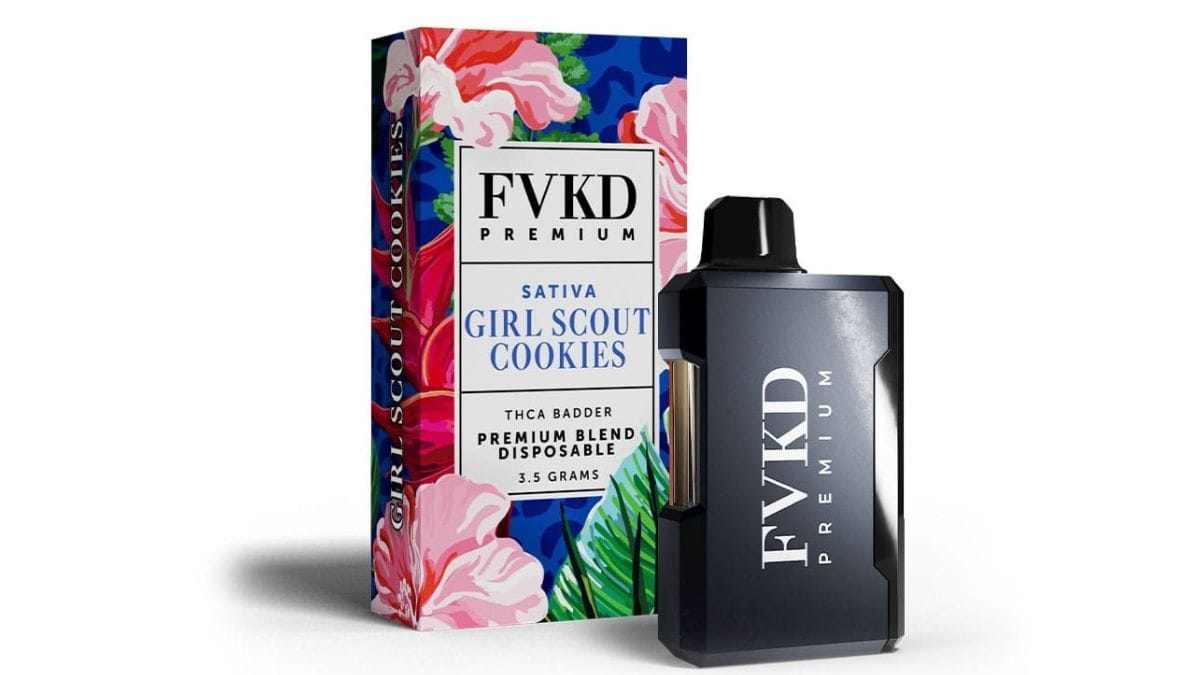
Premium vapes like FVKD Exotics vape are formulated for smooth performance, but consistency still depends on storage and handling.
2. Temperature and Pressure Changes
Temperature shifts are one of the most scientifically supported causes of leakage in vape hardware.
What happens:
- Heat thins cannabis oil
- Internal pressure increases
- Oil can be pushed through seals or airflow channels
Cold conditions can also cause seals to contract slightly, creating gaps.
Prevention tips:
- Never leave devices in hot cars
- Let devices adjust to room temperature before use
- Keep them stored in stable environments
3. Worn or Damaged Seals (If Applicable)
Some vape devices rely on internal rubber seals to maintain an airtight chamber.
If a device has seals that are accessible, issues may include:
Possible signs:
- Persistent leaking even with careful use
- Oil collecting around the base or airflow area
- Components that don’t fit securely
How to avoid it:
- Inspect rubber seals if your device includes them and ensure they’re properly seated
- Avoid forcing or overtightening any parts
4. Chain Puffing and Chamber Flooding
Taking many puffs quickly can oversaturate the heating chamber.
What happens:
- Oil doesn’t fully vaporise between draws
- Excess builds up inside
- Leakage occurs through airflow openings
How to prevent it:
- Wait a few seconds between puffs
- Avoid aggressive, repeated draws
- Use airflow settings that match your inhale style
Products such as FVKD premium vape options are designed for balanced vapor delivery, but pacing still matters.
5. Improper Storage Position
Storing a vape sideways for long periods can allow oil to migrate into the airflow or mouthpiece areas.
Best practice:
- Store upright whenever possible
- Avoid keeping devices in pockets or bags upside down
- Keep the mouthpiece clean and dry
6. Condensation Build-Up
Not all “leaks” are oil—sometimes it’s condensation mixed with terpene residue.
What causes this:
- Frequent use without cleaning
- vapor cooling inside the mouthpiece
- Residue collecting over time
Prevention:
- Clean the mouthpiece weekly
- Wipe airflow openings gently
- Allow the device to rest between sessions
Causes and Fixes
| Cause | Why It Leaks | How to Fix It |
| Oil too thin from heat | Faster migration | Store cool + upright |
| Temperature shifts | Pressure imbalance | Avoid hot environments |
| Damaged seals | Broken airtight chamber | Replace O-rings |
| Improper storage | Oil reaches mouthpiece | Keep upright |
| Condensation buildup | Residue mimics leaking | Clean regularly |
| Overfilling (refillables) | Chamber flooding | Leave air gap |
| Chain puffing | Oversaturation | Pace your draws |
Best Practices for Leak Prevention
To minimise leaks long-term:
- Store devices upright
- Avoid extreme temperatures
- Clean mouthpieces regularly
- Inspect seals and connections
- Pace inhalation between sessions
- Choose terpene-balanced cannabis formulations
Are Some Cannabis Vapes More Leak-Resistant?
Yes. Modern cannabis vape engineering focuses heavily on:
- Improved internal sealing
- Better airflow placement
- Pressure-balanced chambers
- Leak-resistant structural design
Well-engineered products, including those from the FVKD Exotics vape range, often incorporate these features—but no device is leak-proof without proper care.
Final Thoughts
Cannabis vape leaks are rarely random. They are usually caused by oil viscosity changes, temperature exposure, worn seals, or improper storage habits.
By understanding how terpene-rich distillate behaves inside vape hardware, users can prevent mess, extend device lifespan, and enjoy a cleaner, smoother experience.
A leak-free vape isn’t about luck—it’s about smart handling and good habits.